
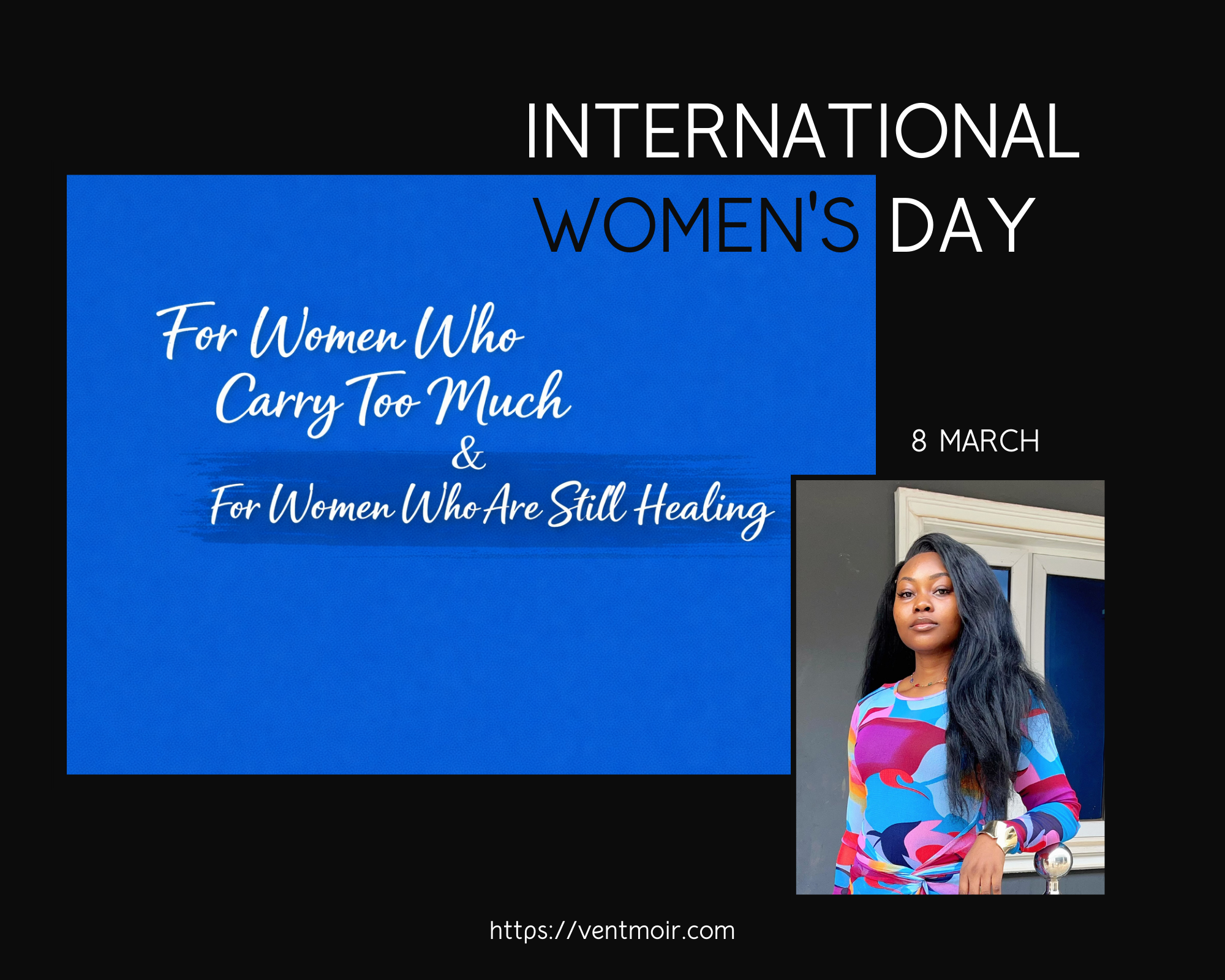
For Women Who Carry Too Much & Are Still Healing With Tofunmi Adedire
Timothy Aremu
Author
Can you briefly introduce yourself and tell us a little about what you do?
My name is Tofunmi Ayomide Adedire. I’m a brand strategist and the Creative Director of LUMEA , an online store focused on fine art frames, digital art, and thoughtfully curated décor pieces.
My work sits at the intersection of strategy and creativity. I help shape how brands present themselves, tell their stories, and connect with people in a meaningful way. Through LUMEA, I channel that same passion into designing and curating pieces that bring personality, warmth, and artistic expression into everyday spaces.
At the heart of what I do is a love for storytelling, aesthetics, and intentional design. Whether I’m building a brand or creating a piece for someone’s home, my goal is always the same: to turn ideas and spaces into something that feels memorable and inspiring.
Many women are often described as “strong,” but that strength can sometimes mean carrying a lot emotionally. In your experience, what are some of the invisible burdens women tend to carry?
Many women are often called “strong,” but that word sometimes hides the weight they quietly carry. In many families, especially as the firstborn, a woman can grow up feeling responsible for everyone long before she is ready.
From a young age, survival becomes part of her mindset. She learns to think about school fees, bills, siblings’ needs, and the general well-being of the household. Instead of simply growing through the stages of life at her own pace, she is often pushed into the role of a provider, a protector, and sometimes even a second parent. That responsibility can come with very little support, yet the expectation remains that she will keep showing up and holding everything together.
One of the invisible burdens is the emotional pressure of always needing to be the “strong one.” People depend on her stability, so she may feel she cannot afford to break down, complain, or even admit when she is overwhelmed. Another burden is the quiet sacrifice of personal dreams, rest, and freedom, because her priorities often revolve around making sure everyone else is okay.
Have you ever felt pressure to always appear strong or “hold everything together”? How does that expectation affect women’s mental health?
Yes, I have. For me, the expectations affect my emotions that they get suppressed, I tend to ignore my own needs unconsciously or carry stress silently. Over time, that emotional buildup can lead to exhaustion, anxiety, or a deep sense of isolation, even when i am surrounded by people.
What emotional pressure do you think women experience that isn’t talked about enough?
One emotional pressure many women experience, but that isn’t talked about enough, is the pressure to constantly show up for everyone while quietly setting their own needs aside. There is often an unspoken expectation that a woman should be nurturing, dependable, emotionally available, and resilient all at once. Because of this, many women carry the responsibility of supporting others emotionally while having very few spaces where they themselves can be supported.
What are some signs that a woman may be carrying too much emotionally but may not even realize it?
- Emotional exhaustion
- Inability to be vulnerable
- Loss of touch with desires or personal needs
Why do you think many women struggle to talk openly about their emotional struggles?
Fear of being judged or misunderstood
Healing can look different for everyone. From your perspective, what does healing truly look like for women who are dealing with emotional wounds, stress, or past experiences?
- Rediscovering oneself
- Learning to set boundaries
What are some of the biggest obstacles that prevent women from prioritizing their healing?
- Guilt
- Societal expectations
How important is self-compassion in the healing process, especially for women who tend to be very hard on themselves?
Self-compassion helps replace that inner harshness with patience and kindness. It doesn’t mean ignoring mistakes or pretending everything is fine. Rather, it means speaking to yourself the way you would speak to someone you genuinely care about. When a woman is going through emotional stress or dealing with past pain, self-compassion allows her to accept that she is human, that she is allowed to feel hurt, tired, or unsure, and that struggling does not make her weak.
How can women begin to let go of the pressure to always be the “strong one” for everyone else?
Letting go of the pressure to always be the “strong one” starts with changing how a woman relates to strength itself. Strength doesn’t have to mean constant endurance or being the emotional pillar for everyone around her. It can also mean knowing when to pause, step back, and allow others to carry their own responsibilities.
In your opinion, what mental health challenges do women silently struggle with the most?
- Emotional fatigue
- Anxiety
- Low self worth
What are some small but meaningful steps women can take to start their healing journey?
- Creating small moments of rest
- Seeking support
Was there a moment you realized you needed to prioritize your mental health?
Yes, it wasn’t clear at first until I saw signs of loosing myself. And I did prioritize my mental health by isolating myself- I took a break from the stress factors.
How important are safe spaces, supportive communities, and conversations when it comes to helping women heal?
Ahhh! It is very very important. If you don’t have one, kindly look for one to join. We have Ventmoir, and a lot of spaces that can help you.
What advice would you give to women who feel emotionally overwhelmed or like they are carrying too much?
Prioritize you!
As we recognize women this month, what message would you like to share with women who are still healing or trying to rediscover themselves?
Love yourself deeply.
Where can people connect with you or learn more about you?
Instagram - Lumea
Related Posts
More articles you might find interesting.